
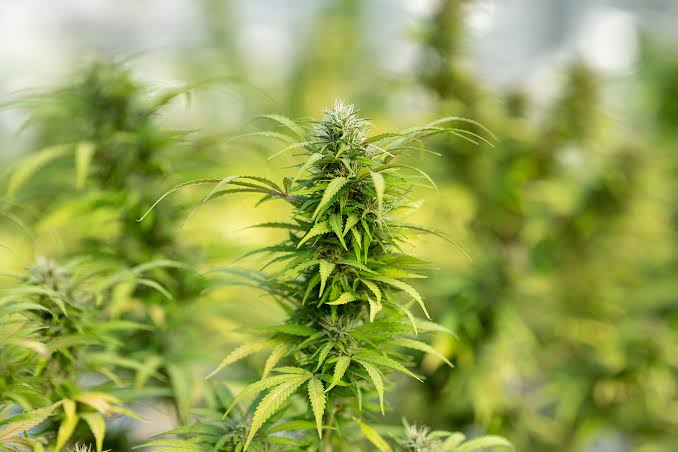
The human body contains a complex network of systems that help regulate various physiological processes, including sleep, mood, appetite, pain perception, and immune responses. One of these networks is the endocannabinoid system (ECS), a cell-signaling system that plays an important role in maintaining internal balance.
The endocannabinoid system has attracted considerable scientific interest because of its interaction with cannabinoids, including cannabidiol (CBD), a compound found in the hemp and cannabis plants. As CBD products become more widely discussed, understanding how the ECS works can help consumers separate established scientific knowledge from unsupported marketing claims.
But what exactly is the endocannabinoid system, and how does CBD interact with it?
In this guide, we will explore the main components of the ECS, explain how it functions, and examine what current research tells us about CBD’s relationship with this system.
What Is the Endocannabinoid System?
The endocannabinoid system is a biological signaling network found throughout the body. It consists of receptors, naturally produced compounds called endocannabinoids, and enzymes that create and break down these compounds.
Researchers believe that the ECS helps regulate several physiological functions and supports homeostasis, which refers to the body’s ability to maintain a relatively stable internal environment as conditions change.
The ECS operates in different parts of the body, including the brain, nervous system, immune cells, digestive tract, and other tissues.
Rather than controlling just one function, it helps coordinate signals involved in multiple biological processes.
Some areas associated with endocannabinoid signaling include:
- Sleep and wake cycles
- Appetite and energy balance
- Pain perception
- Mood and emotional responses
- Memory and learning
- Immune system activity
- Digestive function
The ECS does not operate independently. It interacts with other signaling systems in the body, and its effects depend on the tissues and biological processes involved.
What Are the Main Components of the Endocannabinoid System?
The endocannabinoid system is commonly described through three major components: endocannabinoids, cannabinoid receptors, and metabolic enzymes.
1. Endocannabinoids
Endocannabinoids are compounds produced naturally by the body. They resemble certain cannabinoids found in cannabis plants, but the body makes them as part of its own signaling processes.
Two of the best-studied endocannabinoids are:
Anandamide (AEA): Anandamide is involved in several physiological processes, including mood, memory, appetite, and pain signaling. It is sometimes called the “bliss molecule,” although this nickname oversimplifies its many biological roles.
2-Arachidonoylglycerol (2-AG): Also known as 2-AG, this endocannabinoid participates in signaling pathways associated with the nervous system, immune responses, and other physiological functions.
Unlike many traditional neurotransmitters, endocannabinoids are often produced when and where they are needed rather than being stored in large quantities for later release.
They can travel backward across certain synapses to influence the release of other neurotransmitters, helping regulate communication between nerve cells.
2. Cannabinoid Receptors
Cannabinoid receptors are proteins located on the surfaces of cells. When certain signaling molecules interact with them, they can trigger changes in cellular activity.
Two major cannabinoid receptors are known as CB1 and CB2.
CB1 receptors
CB1 receptors are particularly abundant in the central nervous system, including the brain. They are also found in other parts of the body.
These receptors are involved in processes related to memory, movement, appetite, pain perception, and neurotransmitter release.
THC, the intoxicating compound in cannabis, activates CB1 receptors in a way that contributes to its characteristic psychoactive effects.
CBD behaves differently and does not produce the same intoxicating effects as THC.
CB2 receptors
CB2 receptors are commonly associated with immune cells and certain peripheral tissues. They participate in signaling processes related to immune function and inflammation.
However, CB2 receptors are not limited to the immune system. Their distribution and functions are more complex than a simple distinction between CB1 in the brain and CB2 in the body.
The two receptor types help explain how endocannabinoid signaling can influence different physiological processes.
3. Metabolic Enzymes
Enzymes help produce and break down endocannabinoids, allowing the body to regulate their activity.
Two important enzymes include:
- FAAH (fatty acid amide hydrolase): An enzyme that breaks down anandamide.
- MAGL (monoacylglycerol lipase): An enzyme responsible for breaking down much of the body’s 2-AG.
These enzymes help control how long endocannabinoids remain active and where their signals occur.
By regulating the production, receptor interaction, and breakdown of endocannabinoids, the body can adjust ECS signaling according to its needs.
How Does the Endocannabinoid System Work?
The endocannabinoid system helps cells communicate through chemical signals.
When a physiological change occurs, certain cells may produce endocannabinoids. These compounds interact with cannabinoid receptors and influence cellular activity.
After performing their signaling roles, endocannabinoids are broken down by enzymes.
This process helps the body regulate signaling rather than leaving it active indefinitely.
For example, in parts of the nervous system, endocannabinoids can be released by one neuron and travel backward to receptors on a neighboring nerve cell. This can reduce the release of certain neurotransmitters.
The result depends on the specific neural pathway and the type of neurotransmitter involved.
This signaling mechanism is one reason the ECS is important in research into pain, memory, appetite, stress responses, and other biological functions.
However, the ECS is not a simple switch that turns these processes on or off. Its effects depend on the biological context, receptor distribution, and interactions with other systems.
What Is CBD?
CBD, short for cannabidiol, is a naturally occurring cannabinoid found in hemp and other cannabis plants.
Unlike THC, CBD does not typically cause the intoxicating effects associated with cannabis. Its biological activity is also different from that of THC.
CBD is available in various formulations, including oils, capsules, gummies, and topical products, although product availability and legal status vary by location.
Scientists have studied CBD because it interacts with several biological targets, including pathways associated with the endocannabinoid system.
However, CBD’s effects are complex. It does not simply bind to CB1 and CB2 receptors in the same way that THC does.
Research is ongoing to determine how different mechanisms contribute to the effects of CBD in humans.
How Does CBD Interact With the Endocannabinoid System?
CBD interacts with the endocannabinoid system in several ways, but many details remain under investigation.
Understanding these interactions requires distinguishing between what researchers have observed in laboratory studies and what has been demonstrated in human clinical research.
1. CBD Does Not Directly Activate CB1 Receptors Like THC
One of the most important differences between CBD and THC is how they interact with cannabinoid receptors.
THC can activate CB1 receptors, which contributes to its intoxicating effects.
CBD, by contrast, has relatively low direct affinity for the primary binding sites of CB1 and CB2 receptors. It does not activate CB1 receptors in the same manner as THC.
CBD may influence cannabinoid receptor signaling through more complex mechanisms, but scientists have not established one single explanation for all of its effects.
This difference helps explain why CBD is generally not considered intoxicating in the same way as THC.
2. CBD May Influence Endocannabinoid Signaling
Researchers have investigated whether CBD can affect the activity or availability of naturally occurring endocannabinoids, particularly anandamide.
Some laboratory and preclinical research suggests that CBD may influence processes involved in anandamide signaling or breakdown.
However, it is too simplistic to say that CBD always increases anandamide levels or directly blocks the enzyme that breaks it down.
The precise mechanisms, their importance in humans, and their relevance to specific health outcomes remain areas of active research.
3. CBD Interacts With Other Biological Targets
CBD’s activity is not limited to the endocannabinoid system.
Research indicates that CBD can interact with several other molecular targets, including certain serotonin receptors, transient receptor potential channels, and other signaling pathways.
These interactions are being studied to understand CBD’s potential effects on processes such as pain perception, mood, and inflammation.
However, findings from cell and animal studies do not automatically demonstrate that CBD will produce the same effects in humans.
The relevance of each mechanism depends on factors such as the dose, formulation, tissue concentration, and clinical context.
4. CBD May Influence Multiple Signaling Pathways
The ECS works alongside many other biological systems. CBD’s effects may therefore involve several pathways rather than one isolated receptor.
For example, researchers have explored whether CBD influences signaling involved in stress responses, inflammatory processes, and nerve-cell communication.
Although these areas are scientifically interesting, the evidence differs significantly across potential applications.
It is important to avoid assuming that a biological mechanism observed in a laboratory necessarily translates into a proven health benefit.
What Is the Difference Between CBD and THC in the Endocannabinoid System?
CBD and THC both come from cannabis plants, but they interact with the body differently.
| Feature | CBD | THC |
|---|---|---|
| Full name | Cannabidiol | Delta-9-tetrahydrocannabinol |
| Intoxicating effects | Does not typically cause a cannabis-like high | Can cause intoxication |
| CB1 receptor activity | Does not activate CB1 in the same way as THC | Activates CB1 receptors |
| Research status | Studied for several potential therapeutic applications | Studied for medical and psychoactive effects |
| Legal status | Depends on the product and jurisdiction | Depends on the product and jurisdiction |
The main distinction is that THC directly activates CB1 receptors in ways that contribute to intoxication, while CBD has a different and more complex pharmacological profile.
CBD products may also contain different amounts of THC depending on their formulation. Consumers should review product labels and laboratory reports rather than assuming every CBD product is THC-free.
What Roles Does the Endocannabinoid System Play in the Body?
The ECS is involved in several physiological processes. However, its involvement in a biological process does not automatically mean that taking CBD will improve that function.
1. Sleep and Wakefulness
Endocannabinoid signaling is involved in processes that influence sleep and wakefulness.
Researchers are investigating how the ECS interacts with other systems that regulate sleep. CBD has also been studied in relation to sleep-related concerns, but findings are mixed and depend on the condition, formulation, and study design.
There is not enough evidence to conclude that CBD reliably improves sleep for everyone.
2. Mood and Stress Responses
The ECS participates in signaling pathways associated with emotional processing and responses to stress.
CBD has been investigated for potential effects on anxiety-related conditions, but the evidence remains limited for many uses. Results from small or experimental studies should not be interpreted as proof that CBD is an established treatment for everyday stress or anxiety disorders.
People experiencing persistent anxiety or other mental health concerns should seek advice from a qualified healthcare professional.
3. Pain Perception
Endocannabinoid signaling is involved in how the nervous system processes pain.
This has led researchers to investigate cannabinoids and related compounds for different types of pain. However, evidence supporting CBD alone for pain relief remains limited and varies by condition.
CBD should not be assumed to replace prescribed pain medication or established treatment.
4. Appetite and Digestion
The ECS participates in signaling pathways that regulate appetite, energy balance, and digestive function.
THC can affect appetite through its action on cannabinoid receptors, but CBD does not necessarily produce the same effects.
Research into CBD and digestive health is ongoing, and its effects depend on several factors.
5. Immune Function
CB2 receptors and endocannabinoid signaling are involved in certain immune processes.
Scientists are investigating how these pathways participate in inflammatory responses and other aspects of immune function.
However, laboratory findings about cannabinoids and immune signaling do not establish that CBD boosts immunity or treats inflammatory diseases in humans.
Is CBD Proven to Balance the Endocannabinoid System?
You may encounter marketing claims suggesting that CBD balances, resets, or optimizes the endocannabinoid system.
These phrases can be misleading when they are used without clear scientific evidence.
The ECS is a complex signaling network that regulates its activity through multiple mechanisms. Although CBD interacts with several pathways related to this system, there is no established clinical test that determines whether a person’s ECS is “balanced” and no universal CBD dose proven to restore such a balance.
Research into CBD is ongoing, and evidence must be evaluated separately for each proposed use.
Consumers should be cautious of products marketed with promises to reset the body’s natural systems or treat a wide range of unrelated conditions.
What Does Scientific Research Say About CBD?
CBD has attracted significant scientific interest, but the strength of evidence varies depending on the condition being studied.
One well-established medical application is the use of specific prescription cannabidiol formulations for certain seizure disorders. These medicines are approved for particular indications in some jurisdictions and are used under medical supervision.
Evidence for other potential applications, including some forms of pain, anxiety, and sleep problems, is more variable or remains insufficient.
The results of studies involving prescription CBD cannot automatically be applied to commercially available CBD oils, gummies, or other products. These products may differ in concentration, formulation, quality, and regulatory oversight.
When evaluating research, it is useful to consider whether a study involved humans or animals, how many participants were included, what dose was used, and whether the results have been independently replicated.
Can CBD Affect Your Endocannabinoid System Safely?
CBD is not risk-free, even though it does not typically cause the intoxicating effects associated with THC.
Possible side effects include:
- Drowsiness
- Diarrhea
- Changes in appetite
- Fatigue
- Interactions with medications
- Changes in liver enzyme levels, particularly with certain doses or medicines
CBD can affect how the body processes some medications. This is especially important for people taking medicines with a narrow therapeutic range or drugs that carry a risk of liver-related side effects.
Prescription cannabidiol also has specific monitoring and safety requirements.
Before using CBD, consult a healthcare professional if you take medication, have liver problems, are pregnant or breastfeeding, or are considering CBD for a medical condition.
Product quality is another important consideration. Independent laboratory testing can help verify cannabinoid content and identify certain contaminants, but it does not guarantee that a product is safe or effective for every individual.
Also Read: What Is CBD? A Complete Beginner’s Guide
Final Thoughts
The endocannabinoid system is an important biological signaling network that helps regulate several physiological processes. Its three major components—endocannabinoids, cannabinoid receptors, and metabolic enzymes—work together to control communication between cells and contribute to internal balance.
CBD interacts with this system differently from THC. Rather than directly activating CB1 receptors in the same way, CBD may influence endocannabinoid signaling through indirect mechanisms and interact with other biological targets.
Although this research is promising, many proposed health benefits of CBD still require stronger clinical evidence. The involvement of the ECS in a particular process does not automatically mean that CBD can effectively treat a condition associated with that process.
For consumers interested in CBD products, understanding the science behind the endocannabinoid system is a useful starting point. Focus on credible research, transparent product information, realistic expectations, and professional medical advice when considering CBD for health-related purposes.