
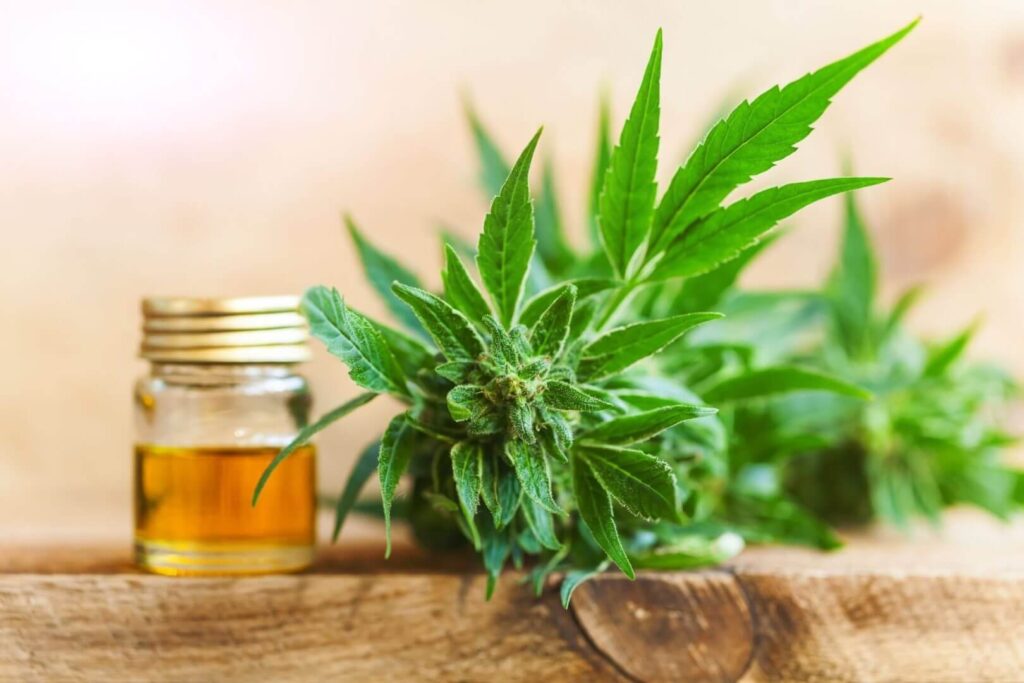
CBD has become one of the most widely discussed compounds found in the cannabis plant. You may have seen CBD oil, CBD gummies, CBD capsules, or CBD topicals in stores and online, but if you are new to the subject, understanding what CBD actually is can be confusing.
So, what is CBD? CBD stands for cannabidiol, a naturally occurring cannabinoid found in cannabis plants. Unlike THC, CBD is not primarily known for producing the intoxicating “high” associated with cannabis. Today, CBD is used in a wide range of products, making it important to understand its origins, formulations, labeling, and potential considerations.
This beginner’s guide explains the basics of CBD in simple terms.
What Does CBD Stand For?
CBD stands for cannabidiol. It is one of many naturally occurring cannabinoids found in cannabis plants.
Cannabinoids are chemical compounds that interact with biological systems in the body. CBD is particularly associated with the body’s endocannabinoid system (ECS), a biological signaling network involved in processes such as mood, sleep, appetite, pain perception, and immune responses.
CBD can be extracted from different varieties of cannabis, including hemp. In the United States, many commercial CBD products are made from hemp because hemp-derived products are subject to specific federal and state regulations.
Where Does CBD Come From?
CBD naturally occurs in cannabis plants, including hemp varieties.
Hemp and marijuana are both forms of the cannabis plant, but they can differ in their cannabinoid profiles and legal definitions. Hemp is generally cultivated to contain very low levels of THC under applicable U.S. federal law.
Manufacturers can extract CBD from hemp and process the extract into different formulations. The resulting CBD may then be used in oils, tinctures, gummies, capsules, creams, balms, and other products.
CBD vs. THC: What’s the Difference?
CBD and THC are both cannabinoids, but they have important differences.
CBD (cannabidiol) is generally not associated with the intoxicating effects produced by THC.
THC (tetrahydrocannabinol) is the primary intoxicating cannabinoid in cannabis and is responsible for the “high” commonly associated with marijuana.
Although CBD and THC can occur naturally in the same plant, CBD products can be formulated in different ways depending on their cannabinoid content.
When comparing products, it is important to check the label and, when available, the Certificate of Analysis (COA) to understand what cannabinoids are actually present.
What Is CBD Oil?
CBD oil is one of the most common CBD product formats. It typically combines a CBD extract with a carrier oil.
Depending on the formulation, CBD oil may contain CBD along with other naturally occurring hemp compounds. Some products may also include flavorings or additional ingredients.
CBD oils can differ significantly in concentration, formulation, ingredients, and cannabinoid profile. This is why checking the product label and laboratory testing information can be useful when comparing products.
What Are the Different Types of CBD?
CBD products are commonly described as full-spectrum, broad-spectrum, or isolate.
Full-Spectrum CBD
Full-spectrum CBD contains CBD along with other naturally occurring compounds from the hemp plant. Depending on the product and applicable regulations, this can include other cannabinoids and trace amounts of THC.
Broad-Spectrum CBD
Broad-spectrum CBD contains multiple hemp compounds but is generally formulated without the same level of THC found in full-spectrum products.
CBD Isolate
CBD isolate is a highly purified form of cannabidiol. It is designed to contain CBD without the other cannabinoids and plant compounds typically found in full-spectrum or broad-spectrum extracts.
The exact composition of a product should always be confirmed through its label and available laboratory documentation.
What CBD Products Are Available?
CBD is available in many different formats. Some of the most common include:
- CBD oils and tinctures
- CBD gummies
- CBD capsules and softgels
- CBD creams and lotions
- CBD balms and salves
- CBD isolate
- CBD beverages
- Other hemp-derived cannabinoid products
Each format can have different ingredients, concentrations, serving information, and methods of use.
How to Choose a CBD Product
If you are considering a CBD product for the first time, don’t focus only on the number of milligrams listed on the front of the package.
Look at the CBD concentration, serving information, ingredients, cannabinoid profile, manufacturer information, and laboratory testing.
A Certificate of Analysis, commonly called a COA, can provide independent laboratory information about a product’s cannabinoid content and, depending on the testing panel, other quality measurements.
Transparent product information can make it easier to compare different CBD products.
Is CBD Safe?
CBD is an active area of scientific research, and its safety profile can depend on factors such as the product, amount used, individual circumstances, and interactions with other substances.
The U.S. Food and Drug Administration has also raised concerns about unapproved CBD products and the accuracy of some CBD product claims.
If you take medications, have an existing health condition, are pregnant or breastfeeding, or have other health-related concerns, speak with a qualified healthcare professional before using CBD.
Frequently Asked Questions About CBD
Does CBD get you high?
CBD is not generally associated with the intoxicating “high” produced by THC. However, CBD products can differ in their cannabinoid content, so checking the product label and COA is important.
Is CBD the same as hemp oil?
No. CBD oil and hemp seed oil are different products. Hemp seed oil is made from hemp seeds and does not naturally contain significant amounts of CBD.
What is a CBD COA?
A COA, or Certificate of Analysis, is a laboratory report showing information about a tested product. It may include cannabinoid concentrations and other testing results depending on the laboratory panel.
What is the difference between full-spectrum and broad-spectrum CBD?
Full-spectrum products generally contain multiple naturally occurring hemp compounds and may contain trace amounts of THC. Broad-spectrum products contain multiple hemp compounds but are generally formulated to exclude THC.
Final Thoughts
So, what is CBD? In simple terms, CBD is cannabidiol, a naturally occurring cannabinoid found in cannabis plants. It is available in numerous product formats, including CBD oil, gummies, capsules, and topicals.
Understanding the differences between CBD and THC, product formulations, CBD concentration, ingredients, and laboratory testing can help you become a more informed consumer.
As the CBD industry continues to evolve, learning the basics is a useful first step. Always review product information carefully and seek professional advice for individual health questions.
Twelfth State CBD provides educational information about CBD, hemp, cannabinoids, products, research, and related topics to help readers better understand this rapidly developing field.
Educational Disclaimer: This article is for general informational and educational purposes only. It is not intended to diagnose, treat, cure, or prevent any disease and should not be considered medical advice. CBD products and regulations may vary by location. Consult a qualified healthcare professional for personalized health advice.